Alexis’ story: Learning that trauma doesn’t define who she is
8 June 2026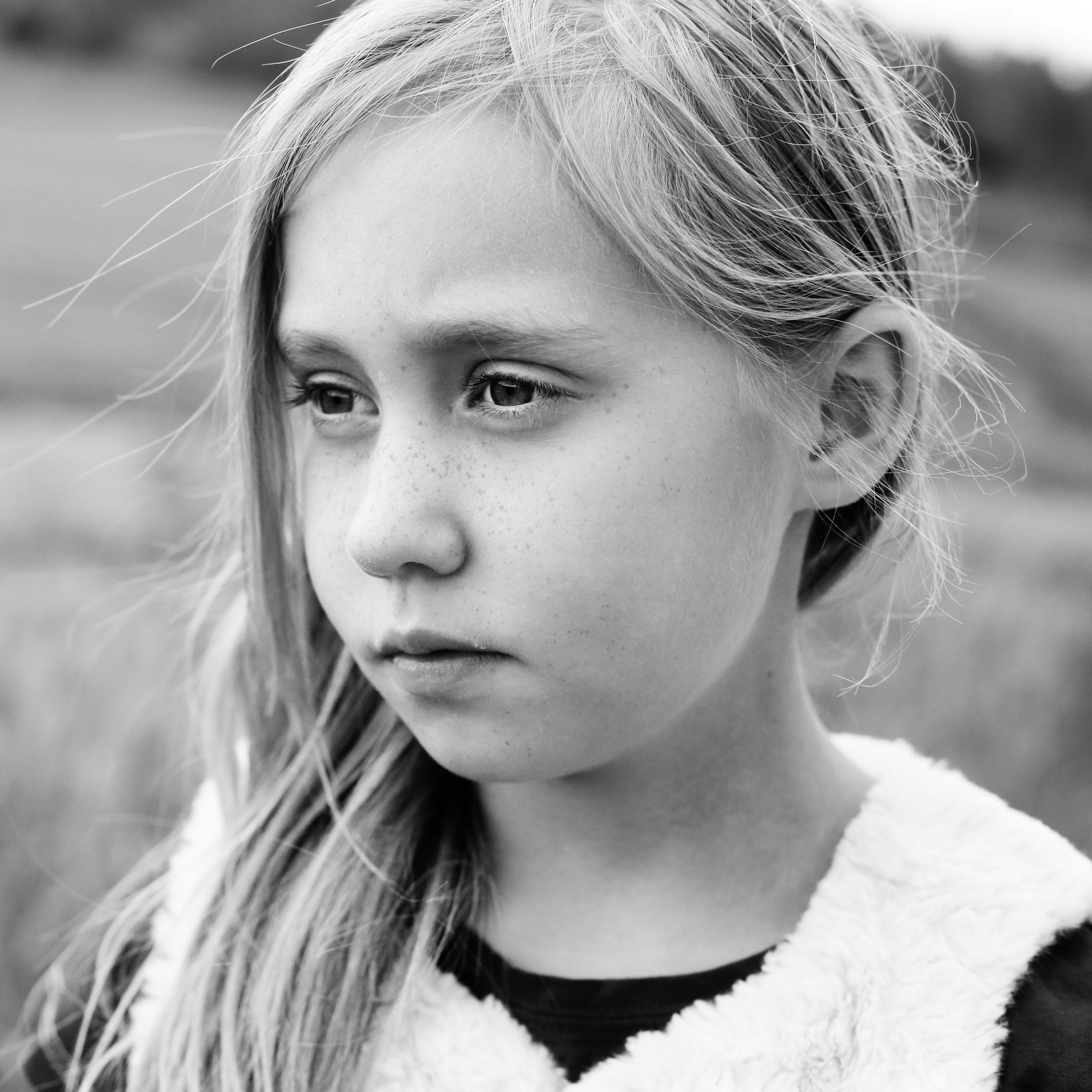
Written by Azi, Practice and Project Lead, Helping Children Heal
When I first met Alexis*, she was seven years old.
She had experienced sexual violence from someone in her extended family. When she arrived at WAGEC with her mum, the little girl I saw felt like a broken soul.
Even small gestures frightened her.
I remember simply guiding her into the room with my hand — just a gentle gesture to show her where to go. She immediately recoiled. She thought I was going to touch her.
Her reaction told me everything about how unsafe the world had become for her.
In those first sessions, trust was incredibly fragile.
For the first few weeks, her mum stayed in the room with us. Her little sister was confident and happy in the playroom, but she was not. I could see through her body language that she didn’t feel comfortable with her sister there.
So, I asked her if she would like some sessions just for us.
I also made sure the door stayed open. I told her she could check on her mum whenever she wanted. And she did.
Sometimes she would leave the room just to make sure her mum was still sitting outside. Sometimes she would run to her, then come back again. Slowly, session by session, something began to shift.
By the sixth session, she told me something that stayed with me. “These sessions are about me,” Alexis said. “I want them just for me.”
That was the moment I knew she was starting to feel safe.
During one session, we were playing a card game where each card had a positive word on it — words like kind, brave or unique.
When she picked up the word unique, she looked at me and said:
“I’m unique because I’m traumatised.” It was heartbreaking to hear a seven-year-old define herself that way. So we talked about trauma. I told her that many people experience difficult things in their lives — and that trauma doesn’t define who we are. What makes us unique are the many other parts of us. Slowly, she began to see herself differently.
At the beginning of the program, she would throw toys across the room and refuse to help pack up. Now, at the end of every session, she carefully helps me put everything away. She tells me she wants to be helpful. That kindness makes her a better person.
She’s also starting to reconnect with her family. Activities that once felt overwhelming — like playing together with her mum and little sister — are now moments she can enjoy. But the biggest change is her confidence. Now when she arrives, she runs into the room. She talks to other children. She laughs. And when it’s time to leave, she tries every trick she can think of to stay longer. For me, that tells me everything. She feels safe.
And when children feel safe, something incredible happens — they start to imagine a future beyond their trauma. Recently, she told me something new about herself. She loves music. She told me she wants to learn piano.
For the first time, she’s talking about what excites her, what she wants to explore, what she might become. It’s like watching a small plant begin to bloom.
At first, it was fragile — unsure if it could grow. But now new branches are forming, each one full of possibility. That’s what healing can look like for a child.
And it’s only possible because she had the space, time and support to feel safe again.
With your support, programs like Helping Children Heal can continue to give children who have experienced violence the chance to rebuild their confidence, rediscover joy, and explore the passions that make them who they are.
Because every child deserves more than survival. They deserve the chance to grow.
* Name and image changed for privacy
stories

beyond violence.
