Recognising the signs of gender-based violence
26 Nov 2024
No two experiences of gender-based violence look exactly the same.
Gender-based violence can impact all nationalities, races, religions, social backgrounds and sexualities. However, people belonging to certain groups and communities may experience higher rates of domestic and family violence than others.
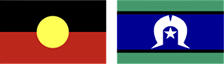
For example, Aboriginal and Torres Strait Islander women are eight times more likely to die and 33 times more likely to be hospitalised as a result of gender-based violence. Women and girls with disabilities are 65% more likely to experience violence, and people who saw or experienced abuse as a child are almost twice as likely to experience emotional abuse in their adulthood.
We also know that LGBTQIA+ people experience violence at similar or higher rates to heterosexual, cisgender women. Multicultural women experience violence that is heightened by intersecting forms of inequality and discrimination.
While gender-based violence may look different for each person, group and community, there are some common signs you can look out for to help you recognise when someone might be unsafe.
How can you tell if a relationship is healthy or unhealthy?
Healthy and respectful relationships are ones where everyone feels safe, cared for and respected. In an intimate partner context, this might look like equal decision-making, equal access to shared resources (like money and accounts) and both people having the freedom and autonomy to pursue their individual interests and relationships with friends, family and community.
Unhealthy relationships are based on an imbalance of power and a lack of trust. Unhealthy relationships have characteristics called red flags that indicate that something might not be right.
What are some red flags to look out for?
Some common red flags that a relationship is unhealthy include when a partner:
- Physically harms you in any way
- Forces you to have sex or do sexual things you don’t want to
- Constantly criticises you or puts you down
- Gaslights or manipulates you
- Gets jealous or angry when you spend time with friends and family
- Makes you feel scared or unsafe
- Monitors your phone, social media, internet searches or computer history
- Stops you from following your religion or cultural practices
- Limits your access to money and resources
What should you do if you spot a red flag?
It’s never ok for someone to harm you or someone you love in a relationship. The way you support someone may change depending on the circumstances, your relationship to the people involved and your ability to intervene safely. In any situation, if you think someone is in danger call the police on Triple Zero (000).
In our next blog post, we’ll explain what to do when you spot a red flag, how to respond and what being an active ally means.
Together, we can stand against violence.
To join our community and access more 16 Days resources, sign up to our mailing list here.
If you or someone you know needs support, you can find services to help you here.
stories

beyond violence.
