50 years of creating
safe futures
The story of the Women's and Girls' Emergency Centre (WAGEC) isn't ours alone. It belongs to the women, children, workers, advocates, volunteers, partners, and communities who have been building safe futures together since 1977.

It took a woman, her name was Jeannie
In 1977, Jeannie Devine opened WAGEC’s doors. She had experienced homelessness herself, and she knew how easily women and children could fall through the cracks of a system that was failing them. She offered practical support alongside the lasting empathy that only comes from having lived it. Jeannie taught us that it could be any of us, and every day since, we’ve been on the frontlines because of her.
This is part of Jeannie’s story.
Following the death of her husband and a serious accident that left her in hospital for almost a year, Jeannie found herself homeless and living in a women’s hostel. There, she met women from all walks of life. Some escaping domestic violence, others navigating trauma, poverty, mental illness, and other forms of disadvantage. All of them trying their best to navigate a system that had repeatedly failed them but with nowhere near enough services to support them.
Determined to change that, she went looking for the women and girls who had nowhere to go. She walked the city of Sydney, street-by-street, finding the women and girls in crisis that everyone else had turned away. She sheltered them, supported them and listened to them — turning the pain of her past into a catalyst for improving the future for all of these women.
In 1977, she established a small drop-in service in Surry Hills called the Women’s and Girls’ Emergency Centre (WAGEC), helping more than 375 women and children in the first year alone. Her vision was simple yet powerful, and one that continues to guide our work to this day: to create a place where women can find safety, dignity and support when they have nowhere else to go.

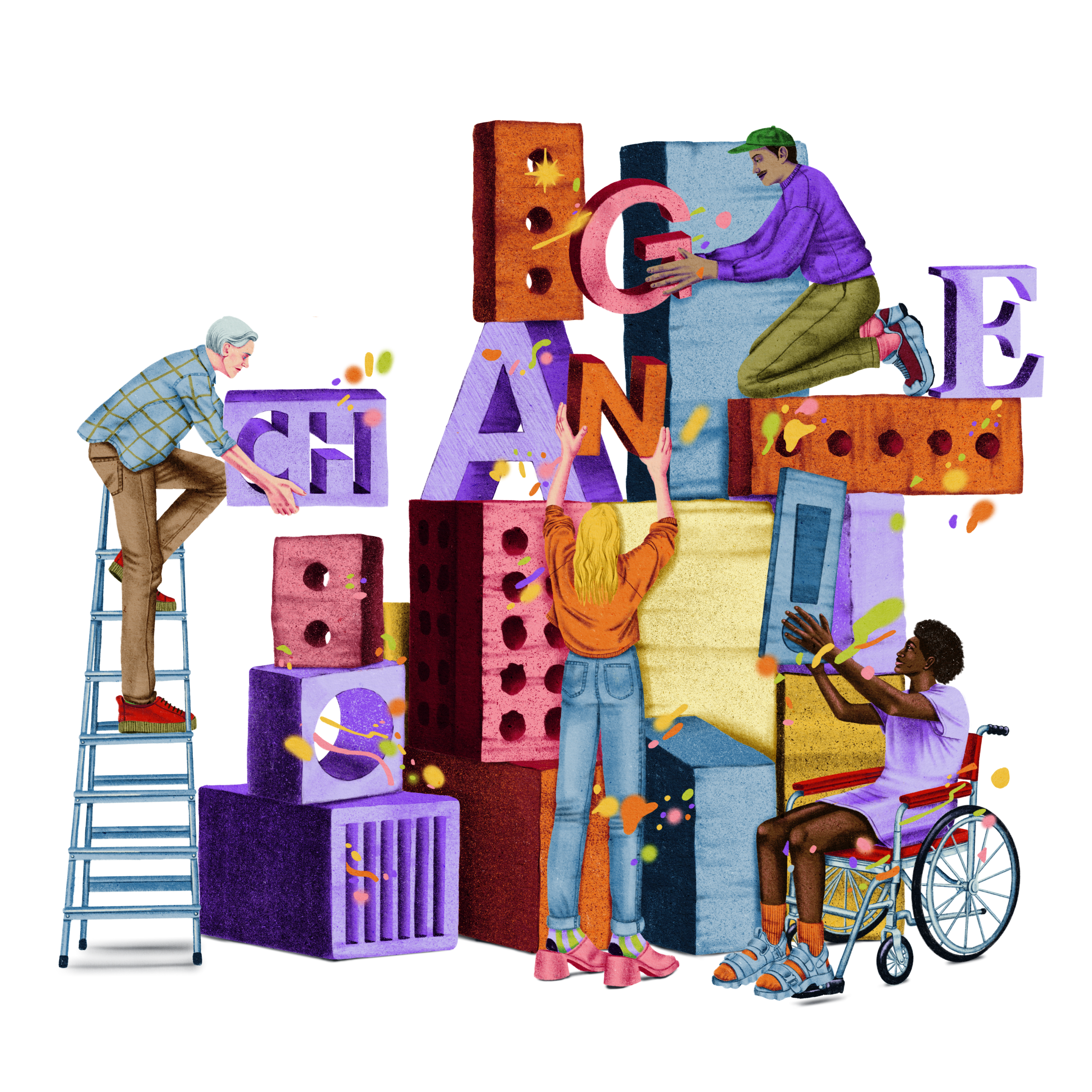
Half a century of impact
Almost 50 years later, we continue the work Jeannie Devine started. Now operating three crisis refuges and ~40 transitional properties for women and families escaping domestic and family violence, experiencing homelessness, or exiting the justice system.
Our work has grown beyond crisis support. We deliver prevention education to stop violence before it starts, and through programs like From Now, we support some of the most marginalised members of our community. It’s why we’re now one of Australia’s leading women’s charities.

On the shoulders of giants
Before there was WAGEC, women were already creating safety where systems had failed to do so. Across Australia, women of all backgrounds opened their homes, organised their communities, and built grassroots responses to violence, homelessness and inequality. They challenged the idea that these were ‘private problems’ that shouldn’t be aired. And they organised, agitated and created services where none existed.
Most of all, these women demanded change. Like them, WAGEC has always had to adapt to survive, reimagining our feminist values in a patriarchal system, and continuing to advocate to have our voices and stories heard.
Growing beyond grassroots
Five decades of women creating safety, and the milestones that brought us here.
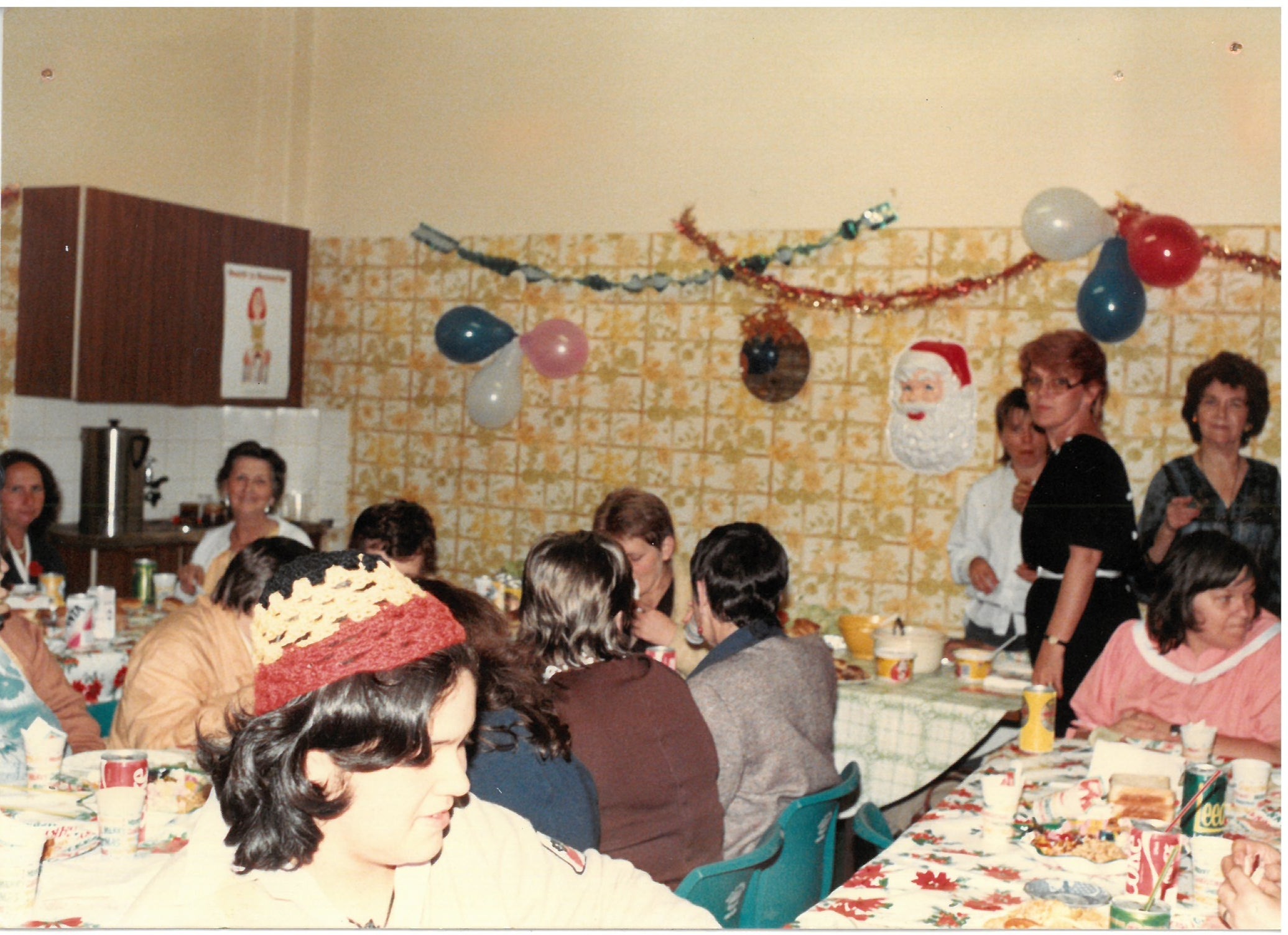
Drop-In Centre, 1984

Evolving beyond crisis
The issues facing women and children have only become more urgent and more complex. The housing crisis has deepened, and technology has created new forms of abuse. WAGEC has evolved to meet them, expanding our reach and finding new ways to support people. But what matters most hasn’t changed: a belief in safety and dignity, a commitment to social justice, an unwavering hope in the power of collective action, and the understanding that the people closest to a problem are often closest to the solution.
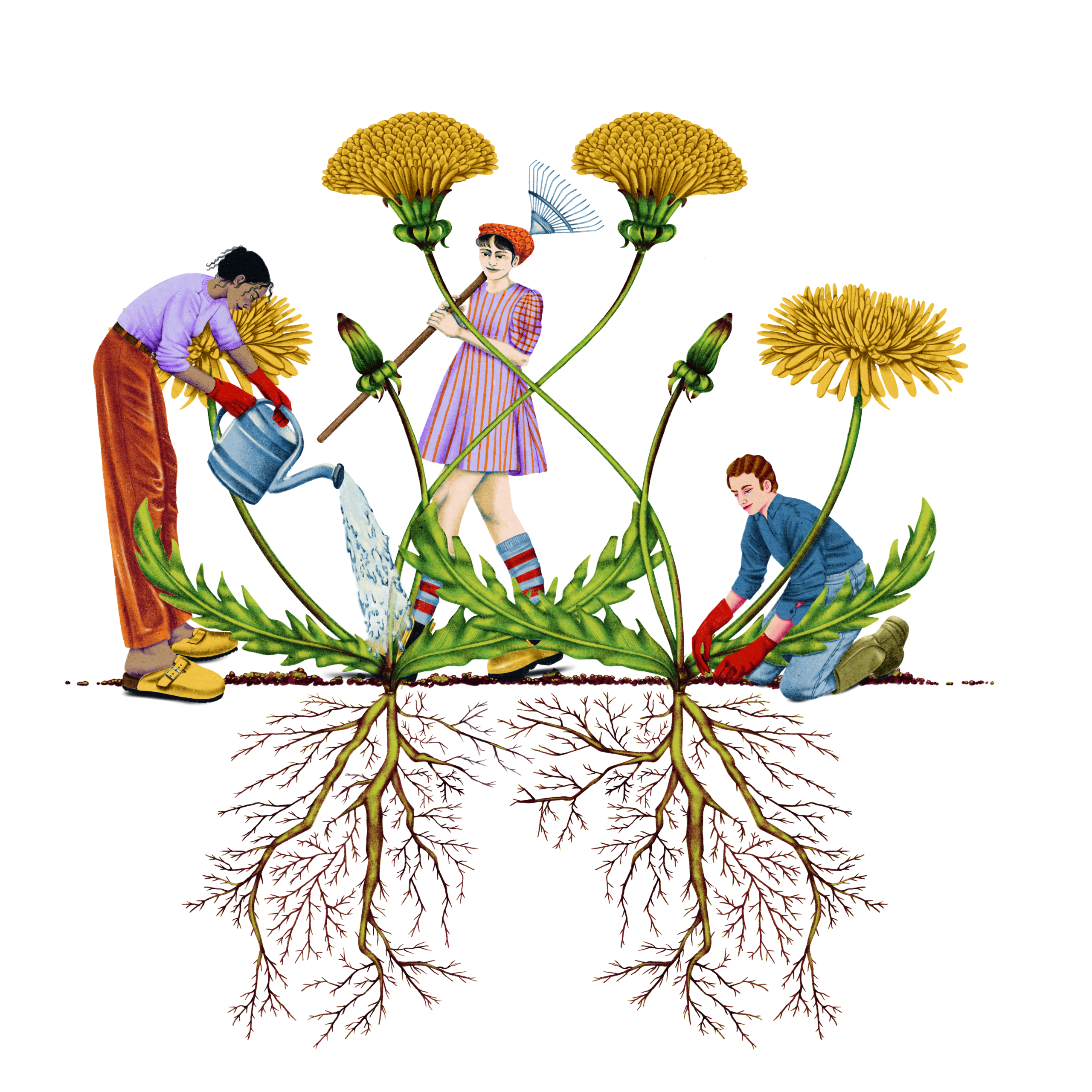
Hope for the future
For nearly 50 years, WAGEC has responded to some of the most difficult moments in people’s lives. But our story has never been only about crisis. It is also about healing. About recovery. About children finding safety. About women rebuilding confidence and connection. About communities choosing to create change together.
As one WAGEC team member put it: “Our ultimate aim is to never see our clients again.” Because success means people no longer need us.
Fund the next 50
WAGEC has never been about looking backwards. It has always been about responding to and shaping what comes next.
The need for this work remains urgent. Thankfully, so too does our belief in the possibility of change.
As we approach 50 years, we remain committed to the same work that first brought people together five decades ago: listening deeply, acting collectively and helping create safe futures for all.

beyond violence.
