
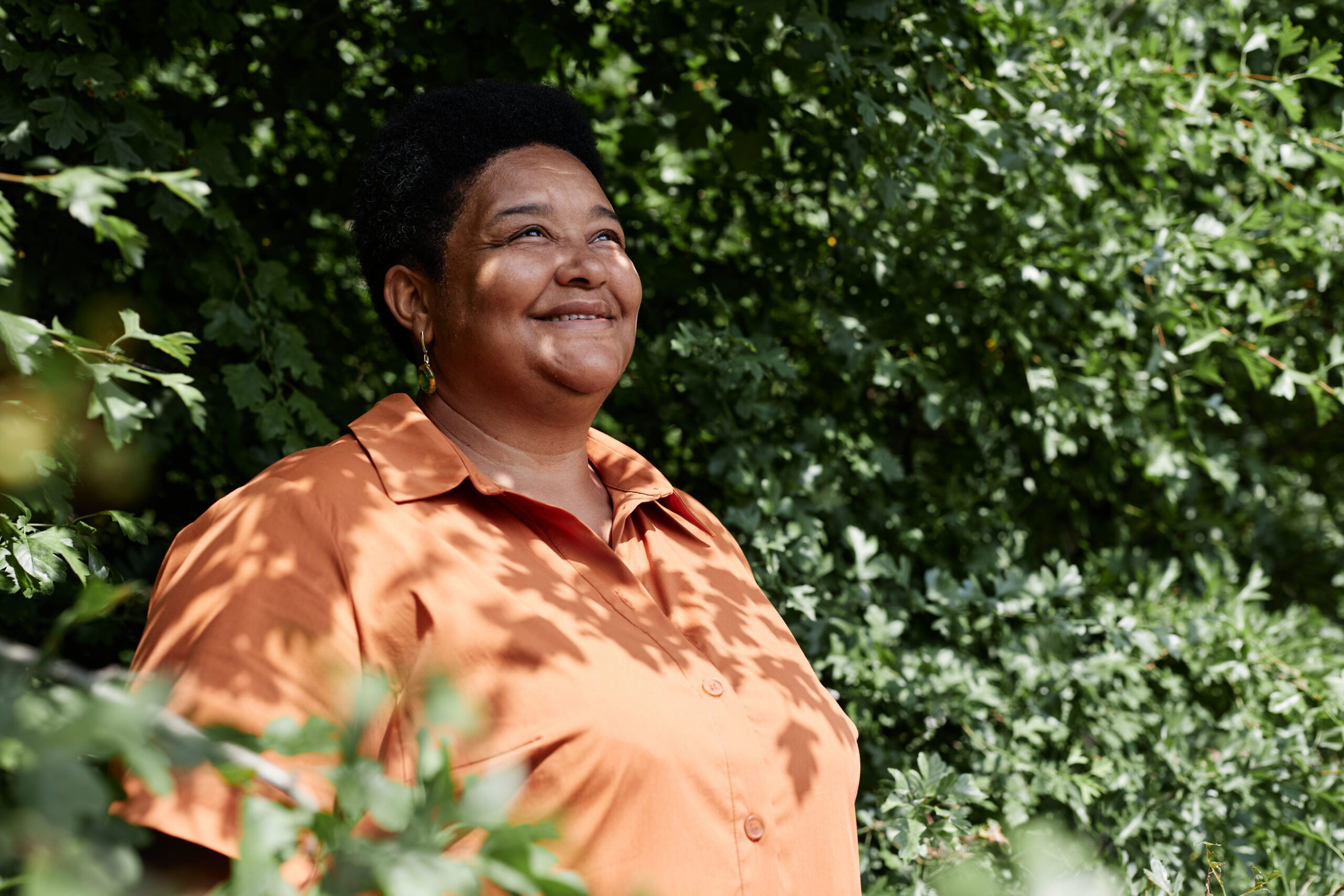
Part of their story, never the whole story
Women are the fastest growing prison population in Australia. Yet, the systems meant to support them have not kept pace. Most women leaving prison are navigating complex layers of trauma, violence, poverty, and systemic disadvantage. Many are already parents. And most are returning to communities without safe housing, stable income, or employment opportunities.
Without the right support, the risk of homelessness and re-incarceration remains high. From Now exists to change that. Because leaving prison should mean the chance to rebuild, not another cycle of harm.
About the program
From Now is a holistic and trauma-informed program supporting women, trans and gender-diverse people as they transition from prison back into the community. The only one of its kind in NSW, it was developed in partnership with the Judith Neilson Foundation in response to clear gaps in both the justice and housing systems.
It provides short-term accommodation, outreach, case management, and holistic support designed to reduce reoffending, strengthen family connections, and create long-term pathways to stability.
Support the program provides
Safe and stable accommodation
Access to short-term and transitional housing, providing a foundation for recovery and reducing the risk of homelessness after release.
Trauma-informed case management
One-on-one support to navigate housing, legal systems, healthcare, and income, with a focus on long-term stability and independence.
Family connection and reunification
Support to rebuild relationships with children and family, recognising the central role of caregiving in many women’s lives.
Recovery and wellbeing
Access to mental health support, education, and community services that support healing, confidence, and future planning.
Culturally-responsive services
Cultural safety and connection are embedded as core principles, fostering a strong sense of belonging, trust and community for Aboriginal and Torres Strait Islander women.
Support before and after release
From Now can begin working alongside women before they leave prison and continue supporting them as they transition back into the community — helping bridge the gap between incarceration and life after release.
Who can access support through From Now?
- Women, trans and gender-diverse people exiting prison in NSW, including those on parole or subject to court orders
- People who are pregnant or parenting, or seeking to reconnect with their children
- People experiencing, or at risk of, homelessness and reoffending after release
- People with a history of substance use
The program works alongside bail and parole conditions, providing structured, trauma-informed support that meets people where they are, including culturally safe support for Aboriginal and Torres Strait Islander women.
This inclusive approach and criteria is critical to reducing reoffending and supporting meaningful reintegration into the community.
Referrals can be made by:
- Correctional services
- Case workers and community organisations
- Support people or family members
- Individuals seeking support
Insights from all angles

My journey after prison: Meet Juliet*
"There was a time when I didn’t believe I was worthy of help, when I felt lost, broken, and stuck in a cycle that seemed impossible to break... until I walked through [your] doors...
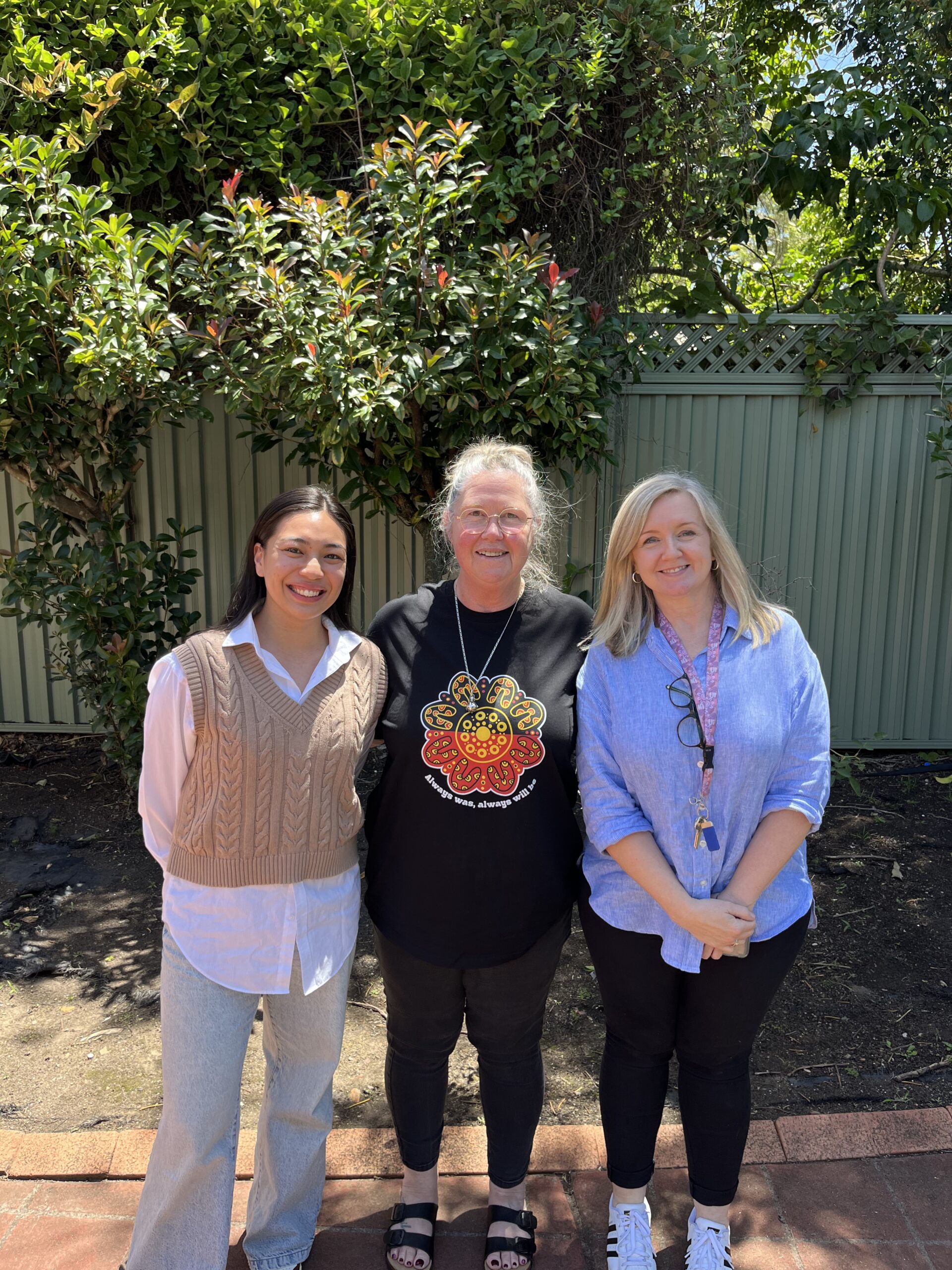
A note from our Program Lead, Jenny Holmes
As an Aboriginal woman (Dharawal, Darug) with lived experience of the justice system, I carry the stories of my own journey and those of the many women I’ve walked alongside...
Funding cycle-breaking solutions
The Judith Neilson Foundation supports initiatives that address the structural drivers of incarceration for women and girls...
Recognition by the courts
Advocacy and systems change
At WAGEC, our work does not stop at service delivery. We use what we see on the ground to advocate.
From crisis support to recovery and prevention, this is the work WAGEC is committed to, alongside the women and communities we support. This is how we work to break the cycle for good.
Trauma-informed and culturally sensitive
Trauma-informed and culturally sensitive support for women and families
Justice responses
Justice responses that recognise complexity, caregiving, and context
Better coordination
Better coordination between housing, legal, and community services
Long-term investment
Long-term investment in programs that prevent violence and re-incarceration
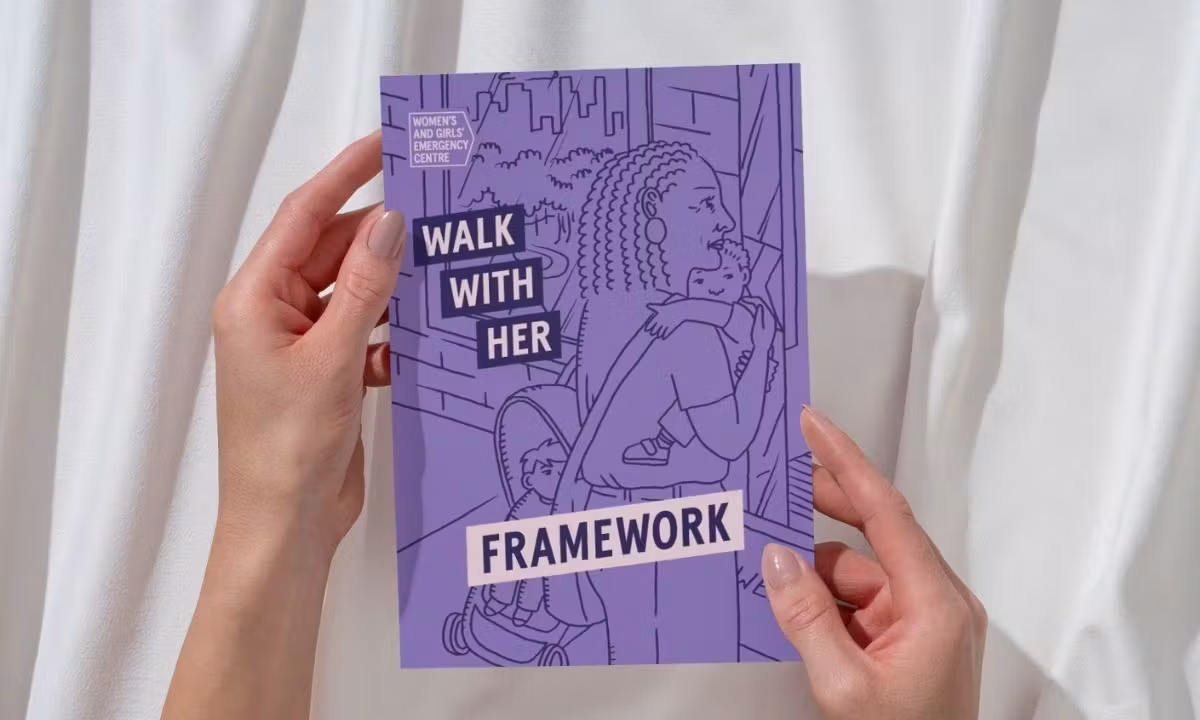
Launching the Walk with Her Framework
Questions about From Now
Women leaving prison often face unstable housing, complex trauma, cultural disconnection, and fragmented service systems that do not work together. Without coordinated support, these challenges can reinforce cycles of marginalisation, increasing the risk of homelessness, family separation, and re-incarceration.
From Now demonstrates a different approach. By addressing both immediate needs and underlying trauma, the program creates real opportunities for women to rebuild their lives, strengthen family connections, and move forward with stability.
From Now is a feminist response to a systemic failure. It takes a holistic, trauma-informed approach that combines housing, case management, and long-term support. It is designed specifically for women and gender-diverse people exiting prison, including pregnant people and those who are often excluded from other services. The program focuses not just on immediate needs, but on long-term safety, stability, family connection, and preventing re-incarceration.
This model works, now let’s back it
There are more women leaving prison today than ever before. They deserve more than a bus ticket and a brochure. They need housing, holistic care, and the backing of a community that refuses to punish them again.

beyond violence.
