How we go about
creating safe futures
Violence and homelessness don’t happen in isolation. They are shaped by systems of inequality and generations of unmet need. We work across the whole continuum, supporting people in the moments they need us most, while helping to address the underlying causes so that fewer people need us in the future.
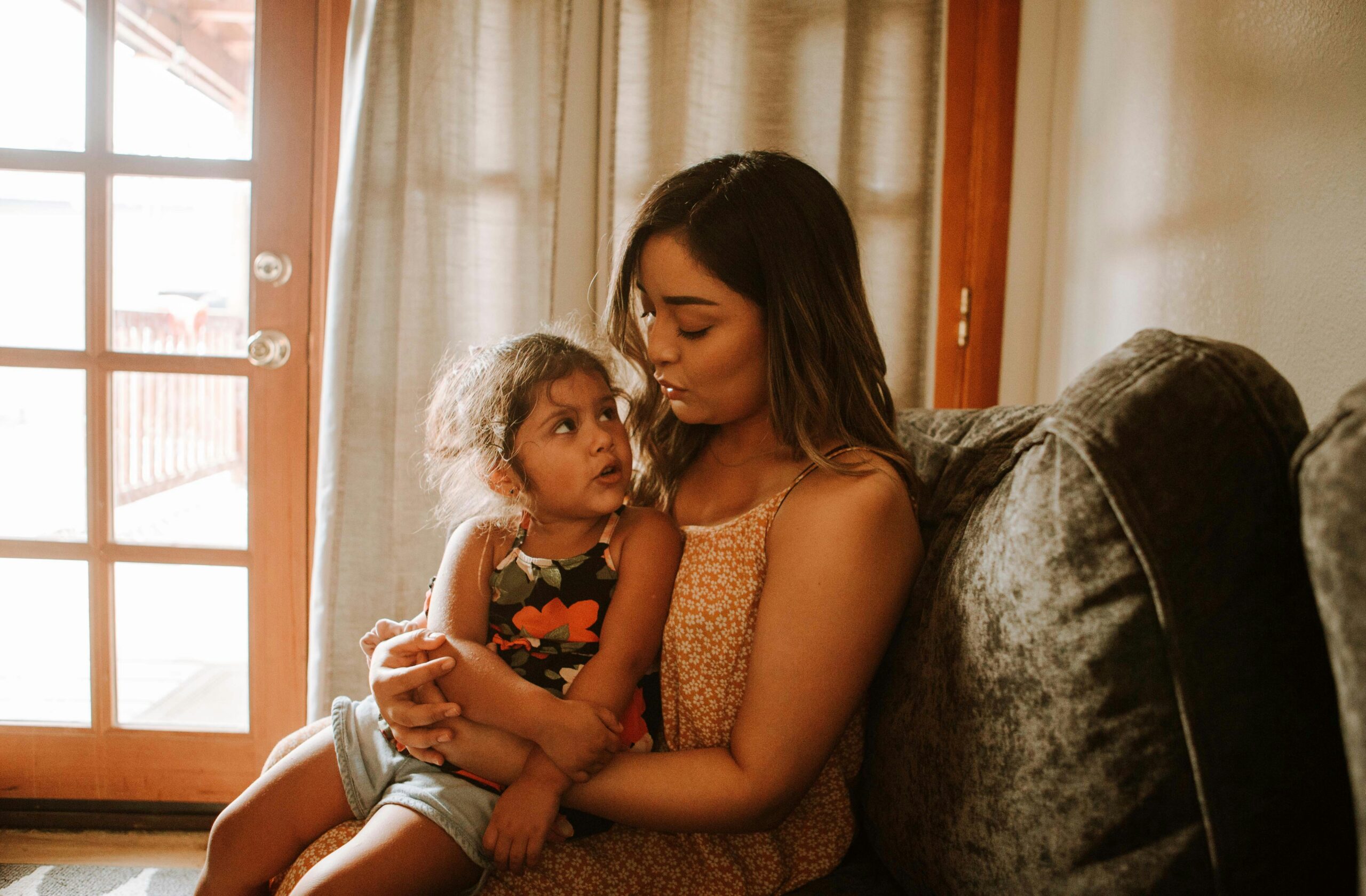
From crisis to change
Ending gender-based violence takes more than a safe bed for the night. It takes a holistic response that includes supporting healing and recovery, intervening earlier where possible, and working to prevent violence before it happens.
Crisis response
When someone needs safety today, we're there with safe refuge accomodation, case management, practical support, and connections to other frontline services. Always non-judgemental, trauma-informed, and meeting people where they're at.
Healing and recovery
Our programs Helping Children Heal, Access Mentoring and From Now help reduce the long-term impacts of violence by supporting recovery and creating pathways towards stable housing, community connection and economic security.
Primary prevention
From the All In program to our We Need To Talk initiative, we work with educators, workplaces, communities, and partners to address the underlying drivers of gender-based violence so future generations can grow up in safer, more equal communities.
Systems change and advocacy
We work beyond individual services to influence the systems that shape people’s lives. Through advocacy, policy influence, and public awareness campaigns, we push for long-term change that addresses the root causes of violence and homelessness at systemic levels.
Innovation and growing alongside community
WAGEC began in 1977 as a single refuge responding to an urgent need for emergency accommodation. Nearly 50 years later, we support thousands of women, trans and gender-diverse people, and children each year through crisis accommodation, housing, recovery, prevention, education and advocacy.
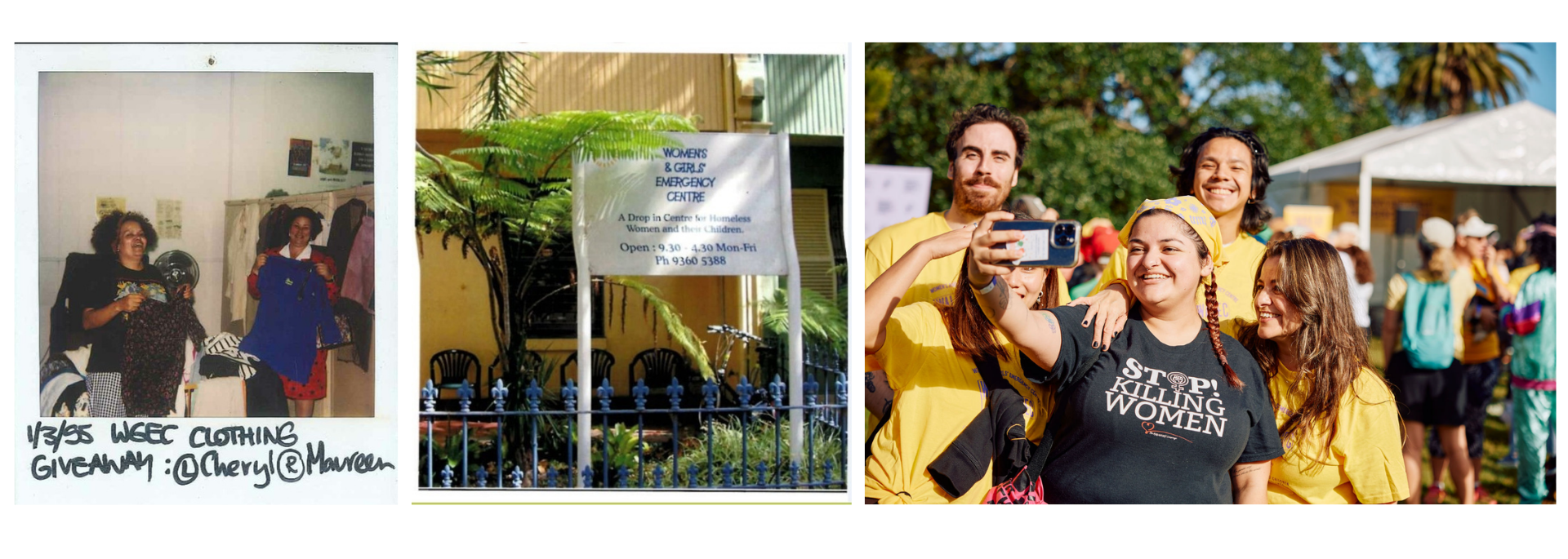
Our work has expanded because the challenges facing our community have changed.
As housing has become less affordable, we’ve strengthened housing pathways. As women leaving the justice system faced barriers to rebuilding their lives, we created From Now. As technology created new forms of abuse, we developed Building Tech Safety. And as evidence grew about the long-term impacts of childhood trauma, we expanded specialist therapeutic support for children as clients in their own right through Helping Children Heal.
We don’t innovate for the sake of it. We do it because our community’s needs continue to shift, and our response must continue to do the same. And we use frontline insight, lived experience and evidence to advocate for better policies, stronger systems and lasting reforms that improve safety, housing and equality for everyone.
Strengths-based and trauma-informed
Trauma changes the way our brains and bodies experience the world. It can affect trust, memory, decision-making, relationships, and feelings of safety. Many of the people who find their way to WAGEC have experienced prolonged or complex trauma as a result of violence or abuse, often alongside homelessness, discrimination, and intergenerational disadvantage.
Being trauma-informed means recognising these realities and designing every part of our work accordingly. Every person’s story is different. But rather than defining people by what they’ve experienced, we seek to understand their experiences, listen to what matters to them, and work alongside them to identify what they need next.
What guides our practice
Trauma-informed, strengths-based practice guides every conversation, service and decision we make. We recognise resilience, capability and autonomy alongside challenge, and support people to build on the strengths they already have, never defining them by crisis. Across our work, that means we:
Prioritise physical and psychological safety
Build trust through consistency and transparency
Offer and celebrate choice wherever possible
Come from a place of curiosity, not judgement
Respect each person’s strengths, knowledge and agency
Work collaboratively rather than making decisions for people
Understand that healing looks different for everyone
Violence is not experienced equally, and neither are the systems designed to respond to it.
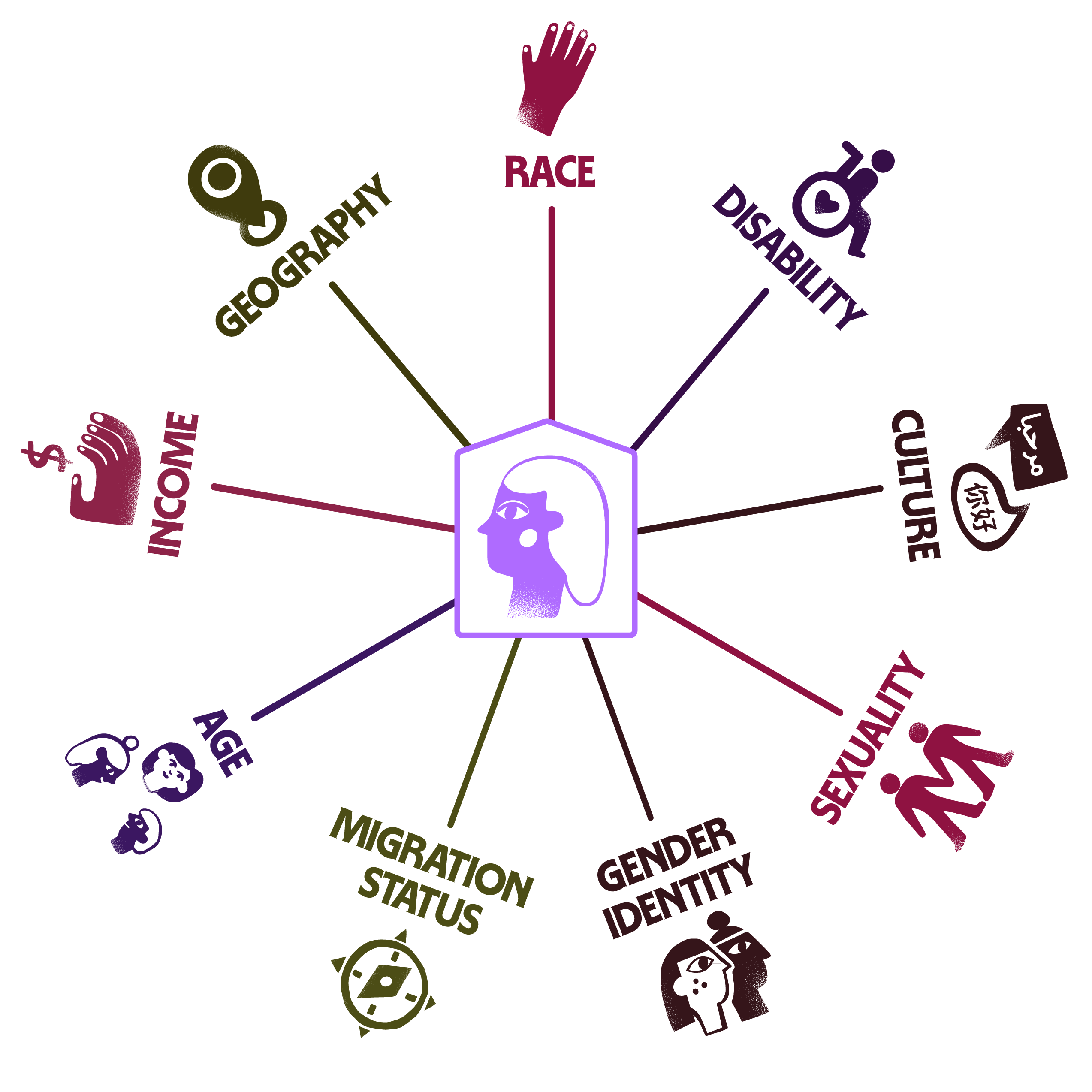
If it’s not intersectional, it’s not feminist
Violence does not happen in a vacuum. It is shaped by gender inequality, and by racism, colonisation, poverty, ableism, homophobia, transphobia, housing insecurity and migration systems. Kimberlé Crenshaw’s concept of intersectionality helps explain how these forces overlap, shaping how violence is experienced, what support is available, and the barriers someone faces when seeking help.
For us, feminism must be accountable to that reality. It means paying attention to who is most affected and who is being excluded, and changing what needs to change to make support safer, fairer and more accessible. It also means listening to the people closest to these systems, who are often the clearest about where they are failing.

Acknowledging lived experience
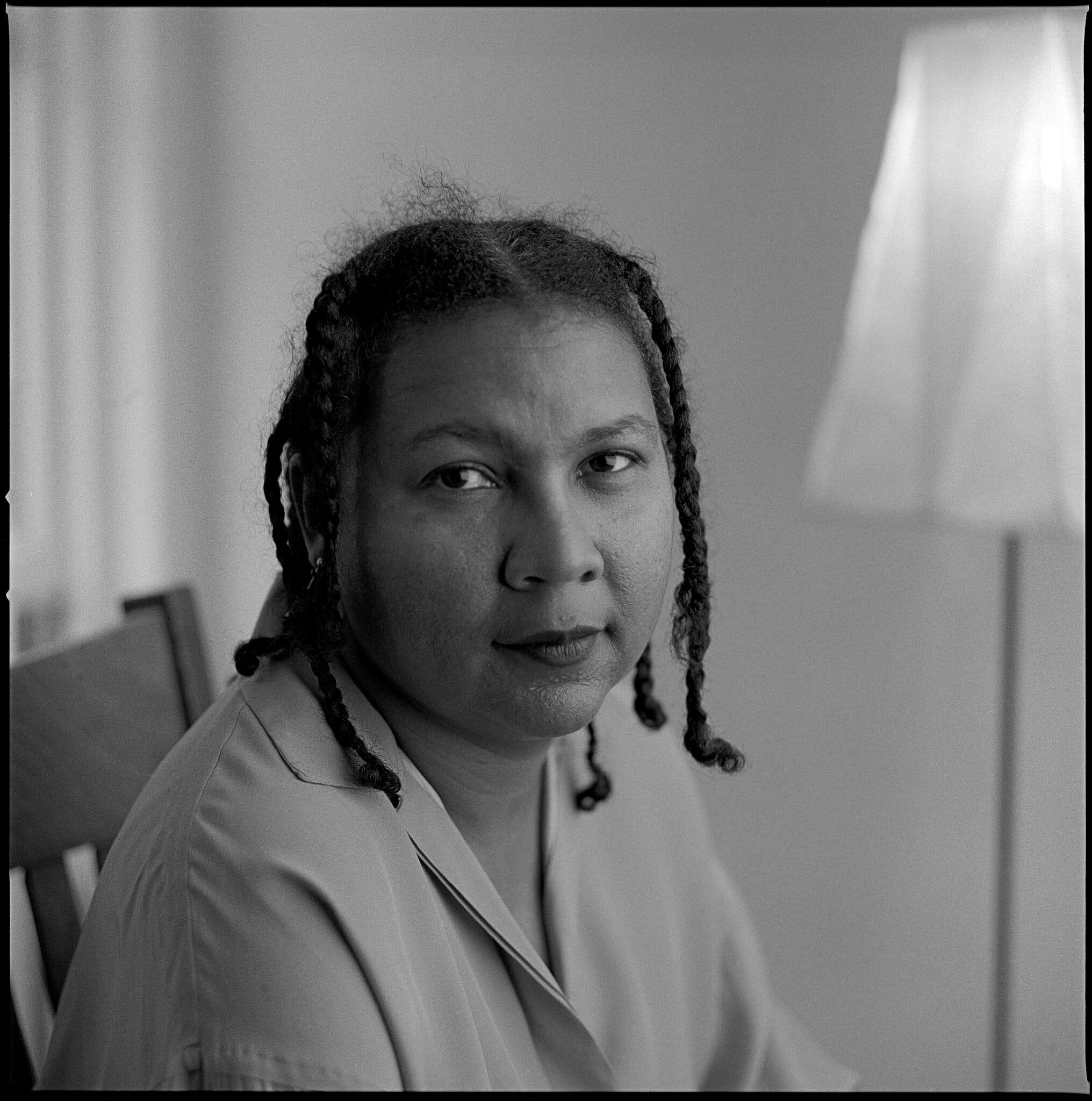
A key way we embed an intersectional feminist approach into our work is by acknowledging and honouring lived experience. The women, trans and gender-diverse people, children and families who have experienced violence, homelessness and systemic disadvantage bring expertise no policy paper or professional training can replace. Their insights shape our services and advocacy, and keep our work accountable to those most affected. Their bravery strengthens everything we do.
This is intersectional feminist practice at WAGEC: challenging the structures that cause harm, recognising that harm is not experienced equally, and ensuring the people closest to the problem help shape the solutions.
Help strengthen our work
When you support WAGEC, you’re not only helping respond to a national crisis. You’re backing a feminist organisation that understands violence and homelessness are structural issues, not individual failings. You’re investing in an approach that centres lived experience, and works across the continuum to change the conditions that cause disadvantage and inequality in the first place.

beyond violence.
