The hidden epidemic of
women’s homelessness
At WAGEC, we support women, trans and gender-diverse people, and children experiencing or at risk of homelessness, while working to change overloaded systems that are failing them.
Understanding what homelessness is
Homelessness is about more than having a roof over your head. While what counts as being ‘homeless’ can be culturally and historically subjective, in Australia ‘homelessness’ is often defined as: the absence of suitable, safe and secure accommodation.
Broadly, it’s about not having the things that make somewhere feel like home: safety, stability, privacy, and the ability to live with dignity and control over your own space.
Homelessness includes people who are:
- sleeping rough, on the streets or in a car
- staying in crisis accommodation or refuges
- couch surfing between friends or family
- living in temporary accommodation or motels
- living in overcrowded or unsuitable housing
- staying in an unsafe home because they have nowhere else to go
Gender and homelessness
Women, trans and gender-diverse people experience homelessness differently to the rest of the population. And the reality is that much of women’s and children’s homelessness remains hidden because it often happens behind closed doors.
Homelessness among Australian women is rising sharply, particularly for women over 55. Lower lifetime earnings, insecure work, unpaid caring responsibilities, and the gender pay gap are all systemic issues that reduce financial security and housing options, and make it harder to find and sustain safe housing, especially after leaving violence.
Domestic and family violence and homelessness
Domestic and family violence remains the leading cause of homelessness for women in Australia, with 45% of women seeking help identifying violence as a reason they needed support.
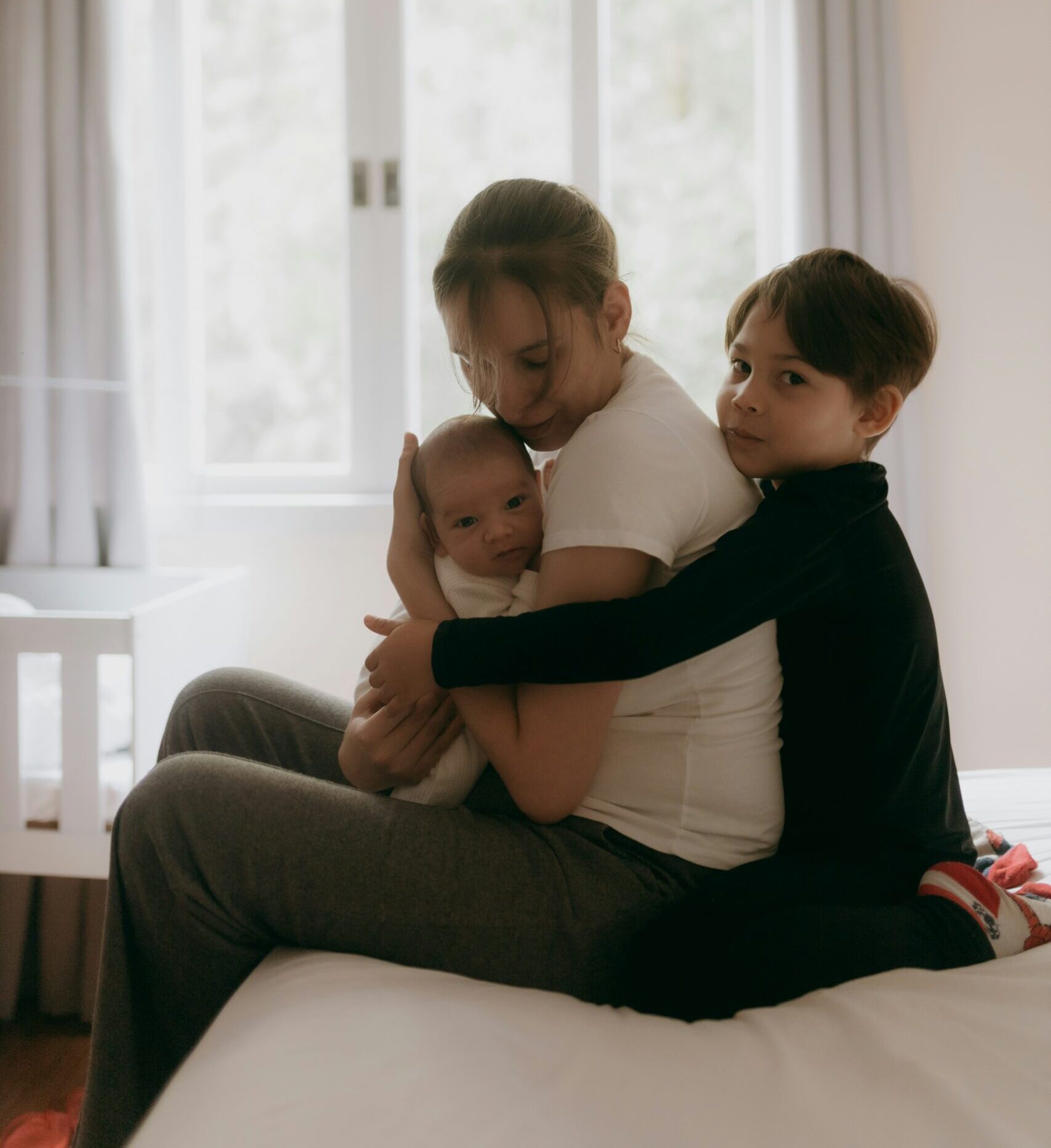
For many women, leaving violence also means finding safety for their children. The responsibility of caring for children, combined with rising housing costs and a shortage of affordable homes, can make escaping violence even more complex.
Faced with impossible choices, many women remain in unsafe situations or move between temporary accommodation, friends’ homes or crisis services to try to keep their children safe.
How does homelessness affect children?
Children are also experiencing homelessness at an alarming rate with 1 in 6 of those supported by Specialist Homelessness Services (SHS) being children under the age of 10. What we know is that frequent moves, disrupted routines and uncertainty can deeply affect a child’s sense of safety, connection and wellbeing, often compounding the trauma they have already experienced.
What we also know is that a child’s outcomes improve significantly when their parent regains confidence, economic security and a pathway forward. That’s why ending homelessness means more than providing a roof over someone’s head.
It means changing the conditions that make women and children more vulnerable to homelessness in the first place, so families can remain connected to school, community and the support they need to recover and thrive.
How WAGEC helps families experiencing homelessness
WAGEC provides specialist homelessness support for women and families experiencing or at risk of homelessness, particularly those escaping domestic and family violence.
Our support includes:
Crisis accommodation
Safe, supported accommodation for women, trans and gender-diverse people, and children during times of immediate crisis.
Transitional housing
Medium-term housing and ongoing case management that helps women move towards long-term, secure housing.
Outreach support
Practical support for women living in the community, including help to prevent homelessness, navigate housing systems and access the services they need.
Questions about homelessness
There is no single definition of homelessness. Many people experiencing homelessness never sleep rough. You may be considered homeless if you are staying in temporary accommodation, couch surfing, sleeping in your car, living in overcrowded housing, or remaining somewhere unsafe because you have nowhere else to go.
What we do know is that this is a growing issue. Data from the Australian Institute of Health and Welfare (AIHW) shows that 59 people per day are turned away from homelessness services across the state because they are too full and overwhelmed. The number of people sleeping rough in NSW has also risen by 75% since 2020 (Homelessness NSW | Rough Sleeping is Up: We know what to do, we just need the funding).
Women are more likely to experience hidden forms of homelessness, such as couch surfing, staying in temporary accommodation, or remaining in unsafe homes because they have nowhere else to go.
According to the Australian Institute of Health and Welfare (AIHW), domestic and family violence is the leading cause of homelessness for women in Australia. Women and families who are homeless or at risk of homelessness may also be at risk of additional forms of violence and exploitation, including sexual violence (Fitz-Gibbon et al. 2022).
At the same time, gender inequality, the Gender Pay Gap, insecure work, unpaid caring responsibilities, and a lack of affordable housing all reduce women’s financial security and housing options. When these factors intersect with experiences of violence, discrimination or poverty, the risk of homelessness increases even further.
At WAGEC, we believe ending women’s homelessness means addressing both the immediate housing crisis and the systems that drive it, including patriarchy, colonisation, and the shortage of safe, affordable housing under capitalism. For more information, please visit AIHW’s website.
Many women experiencing homelessness never sleep rough, which means you can’t often see them on the streets. Instead, they may be couch surfing, staying in temporary accommodation, living in overcrowded housing, sleeping in their car, or remaining in unsafe homes because they have nowhere else to go.
Hidden homelessness often goes unseen, making it harder for women and children to access support and easier for the scale of the issue to be underestimated.
Homelessness doesn’t happen in isolation. It’s shaped by housing affordability, gender inequality, economic insecurity and violence. That’s why WAGEC combines crisis support with advocacy and prevention, working to change the systems that place women and children at greater risk in the first place. Find out more about our advocacy work.
How you can help

beyond violence.
